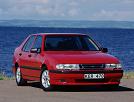
Op de onderstaande site kan je korte filmpjes van de EuroNcap tests zien.
Zowel de Saab 9-5 als 9-3 zijn te bewonderen.
http://www.sicurauto.it/crashtest/risul ... roncap.php
Voor zover ik heb gezien alleen in quicktime formaat.
Crash filmpjes
-
Spyro
- Geregistreerd lid
Re: Crash filmpjes
Hmm weet niet hoe kloppend die site is. Een saab 900 getest in '97 1 1/2 ster ?!
Dat er een fiat sceicento met 1 1/2 ster tussen staat ok, maar een saab met maar 1 1/2 ster, geloof er geen *piep* van.
Dat er een fiat sceicento met 1 1/2 ster tussen staat ok, maar een saab met maar 1 1/2 ster, geloof er geen *piep* van.
-
(R)ed

- Lid van verdienste
Re: Crash filmpjes
Nope1
Zeker niet om dat de 93 technsch naganoeg gelijk is!!!
Zeker niet om dat de 93 technsch naganoeg gelijk is!!!
-
Vorticity
- Geregistreerd lid
Re: Crash filmpjes
Die testen stellen niet zoveel voor. In de praktijk is namelijk gebleken dat je bij de ng900 40 % minder kans hebt op een letstel tov de gemiddelde veiligheid van een auto uit rond 1995.
De 93 is tov van de ng900 op dacht ik 1000 punten verbeterd, dus of ze technisch zo gelijk zijn?
De 93 is tov van de ng900 op dacht ik 1000 punten verbeterd, dus of ze technisch zo gelijk zijn?
-
Moppersmurf

- Geregistreerd lid
Re: Crash filmpjes
http://www.euroncap.com/details.php3?id=car_131_2002
Dezelfde info, maar dan in het engels. Helaas, de 900GM komt er inderdaad niet zo goed uit. Ik heb al vaker geschreven dat de 900GM het kwaliteitsimago van Saab niet helemaal waarmaakt. Het veiligheidsimago ook niet. Op dezelfde site lees je waarom niet (citaat):
Frontal Impact
Front impact
The driver's screen pillar was pushed backwards by 221mm (8.7in) and the passenger compartment lost structural stability. The driver's door was severely weakened at its hinges. The driver's door could not be opened by hand, even using extreme force, and tools had to be used. On opening the door, it became completely detached from the car. The passenger's door could be opened normally. The steering wheel moved rearwards by 167mm (6.6in) and upwards by 42mm (1.7in). There was moderate footwell intrusion and the brake pedal was pushed backwards by 193mm (7.6in).
Although head protection in the test rated as 'good' the amount of steering wheel intrusion could have posed a greater risk to different-sized drivers or those in different seating positions, so was down-rated to 'adequate'. The driver's head contact on the airbag was stable. The restraint system kept the driver's chest away from the steering wheel, although forces transmitted to the chest via the seat belt presented some threat of injury. The intrusion into the cabin at facia level, together with the structural instability of the cabin, meant there was a more serious risk of chest injuries being sustained by shorter or taller drivers and those in different seating positions. If the crash had occurred slightly differently, cabin intrusion could have been worse, and contributed to the likelihood of still further chest injuries. The driver's left knee brushed past the steering-column adjuster lever and just reached the facia. However, a higher knee position at the moment of impact could have resulted in it striking the bolt for the steering column adjuster. The driver's right knee also hit the facia, fracturing the plastic surface. If this contact had occurred in a slightly different horizontal position, the column mounting bracket would have been impacted. A slightly higher contact could have reached the column lock and adjuster mechanism and there was no energy-absorbing material present in this area. Had the knee penetrated slightly further, the steering column and its mounting bracket could have been hit. Protection for the right lower leg was rated as adequate, but only as marginal for the left lower leg. The degree of intrusion into the footwell resulted in foot and ankle protection earning a rating as 'weak'.
Protection for the head, neck, and both legs was good, though forces transmitted via the seat belt to the chest presented some risk of injury. Protection for the feet and ankles was rated as good. The results for the passenger were not modified on the basis of structural damage to the car.
--------------------------------------------------------------------------------
Side Impact
Head protection was good, though the side of the car struck the driver's chest with sufficient force to pose a serious threat of life-threatening injury. The amount of force acting on his abdomen also indicated a threat of injury. Protection for the driver's pelvis was rated as 'adequate'.
--------------------------------------------------------------------------------
Child Restraint
The rear-facing seats in the Saab required supplementary straps. They were good in frontal crashes, but in the side-impact test they placed occupants close to the area of maximum car-body intrusion. The dummy ran a significant risk of head and chest injury. The recommended seats required reference to both the instruction leaflet and the car manual for fitting to be correct. The rear-facing child seats in the Saab featured a clear warning against using them in the front of any car where a passenger airbag is fitted and the car also displayed a warning label to that effect.
--------------------------------------------------------------------------------
Pedestrian Protection
Child head impact
Four of the six test locations met proposed legislation: above the battery, over a bonnet strengthener, over the oil filler cap and above the corner of the rocker cover. One point performed better than average, one worse: at the join between bonnet and wing.
Upper leg impact
None of the three tests met proposed legislation. Two tests on the bonnet's front edge were better than average, one worse.
Adult head impact
None of the tests met proposed legislation. Four points were better than average: above a bonnet strengthener, over a wiper spindle, on a washer nozzle and on the scuttle panel. Two points were worse than average: above a suspension strut, and over a bonnet hinge.
Leg impact
None of the three tests met requirements. All three the bumper tests were better than average.
Dezelfde info, maar dan in het engels. Helaas, de 900GM komt er inderdaad niet zo goed uit. Ik heb al vaker geschreven dat de 900GM het kwaliteitsimago van Saab niet helemaal waarmaakt. Het veiligheidsimago ook niet. Op dezelfde site lees je waarom niet (citaat):
Frontal Impact
Front impact
The driver's screen pillar was pushed backwards by 221mm (8.7in) and the passenger compartment lost structural stability. The driver's door was severely weakened at its hinges. The driver's door could not be opened by hand, even using extreme force, and tools had to be used. On opening the door, it became completely detached from the car. The passenger's door could be opened normally. The steering wheel moved rearwards by 167mm (6.6in) and upwards by 42mm (1.7in). There was moderate footwell intrusion and the brake pedal was pushed backwards by 193mm (7.6in).
Although head protection in the test rated as 'good' the amount of steering wheel intrusion could have posed a greater risk to different-sized drivers or those in different seating positions, so was down-rated to 'adequate'. The driver's head contact on the airbag was stable. The restraint system kept the driver's chest away from the steering wheel, although forces transmitted to the chest via the seat belt presented some threat of injury. The intrusion into the cabin at facia level, together with the structural instability of the cabin, meant there was a more serious risk of chest injuries being sustained by shorter or taller drivers and those in different seating positions. If the crash had occurred slightly differently, cabin intrusion could have been worse, and contributed to the likelihood of still further chest injuries. The driver's left knee brushed past the steering-column adjuster lever and just reached the facia. However, a higher knee position at the moment of impact could have resulted in it striking the bolt for the steering column adjuster. The driver's right knee also hit the facia, fracturing the plastic surface. If this contact had occurred in a slightly different horizontal position, the column mounting bracket would have been impacted. A slightly higher contact could have reached the column lock and adjuster mechanism and there was no energy-absorbing material present in this area. Had the knee penetrated slightly further, the steering column and its mounting bracket could have been hit. Protection for the right lower leg was rated as adequate, but only as marginal for the left lower leg. The degree of intrusion into the footwell resulted in foot and ankle protection earning a rating as 'weak'.
Protection for the head, neck, and both legs was good, though forces transmitted via the seat belt to the chest presented some risk of injury. Protection for the feet and ankles was rated as good. The results for the passenger were not modified on the basis of structural damage to the car.
--------------------------------------------------------------------------------
Side Impact
Head protection was good, though the side of the car struck the driver's chest with sufficient force to pose a serious threat of life-threatening injury. The amount of force acting on his abdomen also indicated a threat of injury. Protection for the driver's pelvis was rated as 'adequate'.
--------------------------------------------------------------------------------
Child Restraint
The rear-facing seats in the Saab required supplementary straps. They were good in frontal crashes, but in the side-impact test they placed occupants close to the area of maximum car-body intrusion. The dummy ran a significant risk of head and chest injury. The recommended seats required reference to both the instruction leaflet and the car manual for fitting to be correct. The rear-facing child seats in the Saab featured a clear warning against using them in the front of any car where a passenger airbag is fitted and the car also displayed a warning label to that effect.
--------------------------------------------------------------------------------
Pedestrian Protection
Child head impact
Four of the six test locations met proposed legislation: above the battery, over a bonnet strengthener, over the oil filler cap and above the corner of the rocker cover. One point performed better than average, one worse: at the join between bonnet and wing.
Upper leg impact
None of the three tests met proposed legislation. Two tests on the bonnet's front edge were better than average, one worse.
Adult head impact
None of the tests met proposed legislation. Four points were better than average: above a bonnet strengthener, over a wiper spindle, on a washer nozzle and on the scuttle panel. Two points were worse than average: above a suspension strut, and over a bonnet hinge.
Leg impact
None of the three tests met requirements. All three the bumper tests were better than average.